

Understanding Gutter Installation in Arkansas
Gutter installation is a essential part of home improvement, especially for homeowners in Arkansas. The procedure involves installing a system that channels rainwater away from the foundation of a house, avoiding water damage. For many homeowners, the idea of installing gutters themselves is attractive, as it can cut costs and deliver a feeling of achievement. However, it’s vital to grasp the area factors that come with gutter installation in Arkansas.
Arkansas faces a warm and moist weather, with warm summers and mild winters. This weather can cause heavy rainfall, especially in the springtime and summer times. As a outcome, gutters in Arkansas must be designed to deal with significant amounts of water efficiently. A property owner who is considering a DIY gutter setup should be informed about the local weather patterns and how they affect the efficiency of the system.
The word "DIY" is frequently used in the context of residential upgrades tasks, and gutter configuration is no case. While it is possible for a homeowner to install gutters on their own, it needs meticulous planning, the appropriate equipment, and an knowledge of the area regulations. In Arkansas, these regulations can differ by city, so it’s crucial to check with area authorities before initiating any installation.
Popular Gutter categories Used in Arkansas
When it comes to gutter installation in Arkansas, there are several varieties of gutters that homeowners can select. The popular categories include aluminium gutters. Each variety has its own advantages and cons, and the best option depends on the exact needs of the homeowner and the regional climate.
Aluminium gutters are a common selection in Arkansas due to their lightweight character and capacity to degradation. They are also relatively straightforward to set up, making them a ideal choice for DIY endeavors. Steel gutters, on the other hand, are considerably durable and can handle substantial rainfall, but they are weighty and may require expert mounting. PVC gutters are another selection, known for their cost-effectiveness and simplicity of care. However, they may not be equally robust as aluminum or metal gutters in extreme weather.
Homeowners in Arkansas should also evaluate the types of gutters that are commonly applied in their area. For example, in cities like Little Rock and Fayetteville, metal gutters are often selected due to their capacity to deal with the region’s recurring precipitation. In areas with higher severe environment, steel gutters may be a more suitable choice. Understanding the regional tastes and situations can assist homeowners make an knowledgeable decision about the type of gutters that will work best for their residence.
How Arkansas Weather Affects Gutter Installation
The weather in Arkansas plays a significant role in the effectiveness of gutter installation. The state encounters a selection of weather scenarios throughout the year, from substantial precipitation to occasional thunderstorms. These scenarios can impact the performance of gutters and the complete success of the installation.
One of the primary issues for homeowners in Arkansas is the possibility for substantial precipitation. During the early season and mid-year times, the state can see major amounts of rain, which can flood badly installed gutters. This is why it’s vital to choose the right type of gutter and make sure that it is placed properly. In areas like Little Rock, where rainfall is higher regular, homeowners may require install gutters with a bigger volume to manage the amount of water.
Another element to think about is the weather in Arkansas. The state has a warm and moist atmosphere, which indicates that it can be extremely temperate and damp for a large portion of the year. This can cause to challenges with dampness and mildew if gutters are not properly looked after. Homeowners need to also be aware of the potential for ice dams in the cold season, which can cause damage to the roof and gutters. While frozen blocks are not as frequent in Arkansas versus northern areas, they can even occur in particular areas, especially in the elevated regions.
In furthermore to these aspects, the weather in Arkansas can also impact the setup procedure itself. For case, installing gutters during a period of intense precipitation can result in the job harder and raise the risk of errors. Homeowners must schedule their installation during a moment when the climate is suitable and the conditions are ideal for the task.
Best Supplies for Gutter Installation in Arkansas
Selecting the correct supplies for gutter installation in Arkansas is crucial for making sure the endurance and performance of the system. The supplies used can influence the resilience, upkeep demands, and complete effectiveness of the gutters. Residential owners should consider the local environment and weather situations when selecting materials for their gutter installation.
Aluminum Gutters in Arkansas
Lightweight gutters are a well-liked selection for homeowners in Arkansas due to their lightweight character and resistance to rust. They are also fairly simple to put in, making them a excellent selection for DIY endeavors. Aluminum gutters are present in a variety of colors and designs, enabling property owners to pick a look that matches their home.
One of the key advantages of lightweight gutters is their resilience in the Arkansas climate. The region’s common downpour and elevated moisture can cause to rust and degradation in some supplies, but metallic is resistant to these issues. This makes it a trustworthy option for property owners who desire a long-lasting gutter setup.
However, aluminum gutters can be greater susceptible to bumps and harm from big things, such as limbs or waste. Residential owners should stay conscious of this and evaluate installing gutter guards or other safeguarding steps to stop injury.
Steel and Plastic Gutters in Arkansas
Steel gutters are another choice for homeowners in Arkansas, famous for their strength and sturdiness. They are often used in zones with higher extreme weather, as they can withstand large precipitation and intense gales. However, metal gutters are heavier than aluminum and may require professional installation, especially for bigger properties.
Vinyl gutters are a greater cost-effective selection and are straightforward to look after. They are protected to corrosion and corrosion, making them a fine choice for residential owners in zones with increased moisture. However, plastic gutters may not be as resilient as metallic or metal gutters and can be higher prone to fracturing or bending over time.
In Arkansas, the selection of materials for gutter setup should be based on the particular demands of the property owner and the local environment. Residential clients should also evaluate the price of components and the likelihood for next repair when choosing their decision.
Process to Fit Gutters by Yourself in Arkansas
Putting In gutters on your own in Arkansas can be a rewarding venture for a house owner, but it calls for meticulous planning and close attention. The process includes several steps, from determining and shaping the gutters to securing them in place and confirming adequate runoff. Homeowners should stick to optimal procedures to secure a positive mounting.
The primary phase in the setup operation is to calculate the extent of the gutters essential. This includes determining the boundary of the house and considering any corners or obstacles. Residential owners should also take into account the angle of the top and the slope of the earth, as these factors can affect the position of the gutters.
Next, the gutters must be cut to the ideal length. This can be achieved using a hand saw or a power saw, as per the variety of substance being applied. It’s important to generate tidy slices to ensure a sufficient connection. Homeowners should also inspect for any blockages, such as trees or other constructions, that may interfere with the installation.
Once the gutters are trimmed, they should be placed along the eaves of the dwelling. This involves fastening the gutters to the fascia board using holders. The brackets should be spaced evenly to provide strength and keep drooping. Property owners should also guarantee that the gutters are inclined a little to permit fluid to travel towards the water pipes.
After the gutters are set up, the drainage pipes should be attached. This entails securing the downspouts to the gutters and guaranteeing that they point water distant from the foundation of the residence. Homeowners should also check for any gaps or voids in the system and execute essential alterations. https://thiesen-ellegaard-3.technetbloggers.de/choosing-the-right-gutter-installer-in-north-little-rock-arkansas-a-field-overview-and-evaluation-action-list
Finally, the mounting has to be examined by passing moisture through the structure to make certain that it operates properly. This is possible by using a water supply or waiting for natural rainfall. If any challenges are noted, house owners should fix them in advance of the subsequent tempest.
Arkansas regulations for Gutters
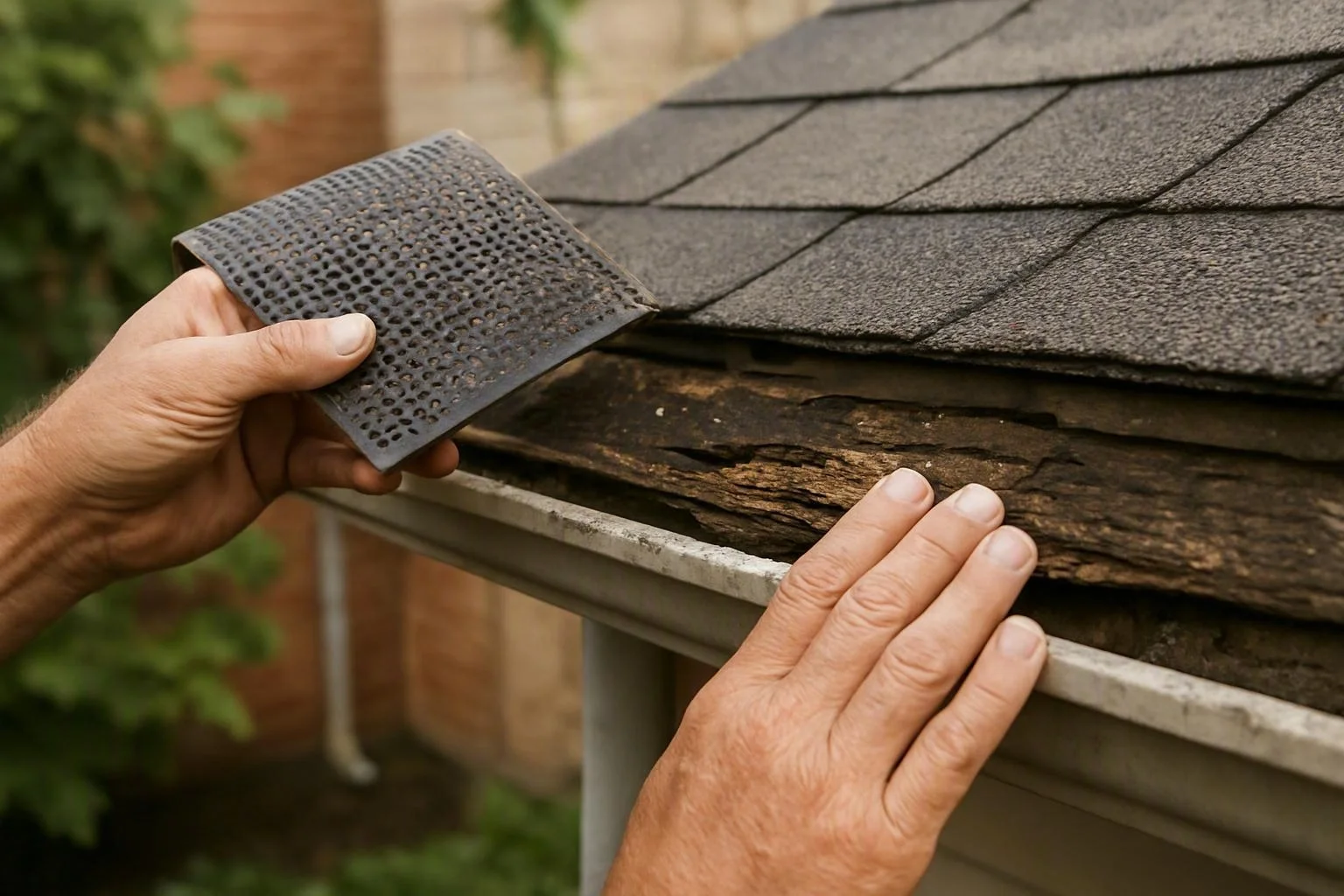
When installing gutters in Arkansas, it’s important to be aware of the local standards and rules. These regulations are designed to ensure that gutters are installed correctly and securely, protecting both the home and the surrounding land. Homeowners should check with their local city or county government to understand the specific rules for gutter installation in their location.
In Arkansas, standards can vary by city, so it’s essential to explore the regulations in the specific location where the setup will take place. For example, in Little Rock, homeowners must ensure that gutters are installed with a correct gradient and that drainpipes lead water away from the foundation. In Fayetteville, extra guidelines may apply due to the city’s mountainous landscape and unique runoff needs.
One of the key features of standards for gutters is the necessity for proper installation. This includes ensuring that gutters are securely mounted to the house and that they are located to effectively channel water away from the building. Homeowners should also be aware of any limitations on the type of materials that can be applied, as some regions may have specific standards for durability and protection.
Another significant aspect is the demand for approvals. In some instances, homeowners may need to obtain a license before installing gutters, especially if the work involves significant alterations to the framework of the house. This is specifically true for larger homes or those with intricate eaves designs. Homeowners should seek with regional agencies to establish if a permit is necessary for their unique task.
In addition, homeowners should also be knowledgeable of any area regulations that may impact the installation of gutters. For example, some towns may have restrictions on the location of drainpipes to avoid water from moving onto neighboring properties. Comprehending these regulations can assist homeowners prevent likely problems and ensure a successful setup.
Indicators Your Gutters require Maintenance in Arkansas
Even the most well-installed gutters can develop challenges over time, especially in the varied environment of Arkansas. Homeowners should be knowledgeable of the indications that suggest their gutters may require repair or maintenance. Identifying these indications early can support stop additional serious damage to the property and lower the requirement for costly fixes.
One of the most common signs that gutters need repair is water pooling around the foundation of the house. This can be a result of clogged gutters, improper slope, or damaged downspouts. In Arkansas, where heavy rainfall is common, it’s essential to ensure that gutters are functioning properly to prevent water from accumulating near the home.
Another signal that gutters may need fix is sagging or pulling away from the house. This can be due to a poor support, faulty installation, or harm from large items. Homeowners should examine their gutters frequently for any indications of drooping or separation, mainly after periods of intense rainfall or gales.
Cracks or leaks in the gutters are also a clear indication that repairs are needed. These issues can lead to liquid damage to the roof, walls, and foundation of the home. In Arkansas, where the climate can be humid and rainy, it’s important to address any leaks quickly to prevent more destruction.
Additionally, residents should be aware of the appearance of debris or foliage in the gutters. While some accumulation is normal, overwhelming trash can result in clogging and decreased performance. In locations like Little Rock and Fayetteville, where woodland are numerous, ongoing maintenance is necessary to ensure the effectiveness of the gutter system.
How Often Should Gutters Be Cleaned in Arkansas?
Maintaining clean gutters is essential for the proper functioning of the system, especially in a state like Arkansas, where the climate can lead to frequent rainfall and heavy debris accumulation. Homeowners should understand the schedule their gutters need to be cleaned to ensure they continue to operate efficiently.
In general, gutters should be cleaned at least twice a year, typically in the spring and fall. This schedule helps to remove debris that has accumulated over the previous months and ensures that the system is ready for the upcoming weather conditions. In Arkansas, where the spring and summer months can bring heavy rainfall, cleaning gutters in the spring is particularly important to stop obstructions and water damage.
However, the frequency of cleaning may vary depending on the specific location and environmental factors. For example, homes located near trees or in areas with a lot of foliage may require additional maintenance. In cities like Fayetteville, where the terrain can affect water flow, homeowners may need to clean their gutters more often to avoid clogs.
In addition to regular cleaning, homeowners should also be aware of indicators that indicate the need for immediate attention. For instance, if water is overflowing from the gutters during a rainstorm, it may be a sign that the system is clogged and needs to be cleaned. Similarly, if the gutters are drooping or pulling away from the house, it may indicate that they are not functioning properly and require service.
Homeowners in Arkansas should also consider the use of gutter guards or covers to minimize the accumulation of debris that enters the system. These can help to increase the interval between cleanings and reduce the risk of clogging. However, even with these measures, regular inspections and cleanings are still important to ensure the system remains in good working condition.
FAQ
What are the most common types of gutters used in Arkansas?
The most common types of gutters used in Arkansas include aluminum, steel, and vinyl gutters. Aluminum gutters are popular due to their low weight and corrosion resistance, making them well-suited for the state’s humid climate. Steel gutters are known for their durability and are often used in areas with more extreme weather conditions. Vinyl gutters are a budget-friendly solution and are straightforward to manage, though they may not be as durable as aluminum or steel gutters. For dependable Gutter Installation in Arkansas in Arkansas, AGM Gutters provides professional advice and real-world solutions.
How do climate conditions in Arkansas affect gutter installation?
Arkansas experiences a humid subtropical climate, with hot summers and mild winters. This climate can lead to heavy rainfall, particularly in the spring and summer months. As a result, gutters in Arkansas must be designed to handle large volumes of water efficiently. Property owners should also be aware of the likely for ice dams in the winter, which can cause wear to the roof and gutters. The local weather conditions can impact the installation workflow, making it vital to plan the undertaking during favorable weather conditions.
What materials are best suited for Arkansas weather?
Aluminum gutters are commonly considered the best option for Arkansas weather due to their resistance to corrosion and ability to handle heavy rainfall. Steel gutters are also a good selection for their durability, though they may require professional installation. Vinyl gutters are a more affordable option and are easy to maintain, but they may not be as sturdy in extreme weather conditions. Residents should pick materials that are suitable for the area climate and the particular needs of their property.
What is standard cost of gutter installation in Arkansas?
The cost of gutter installation in Arkansas can vary depending on elements such as the type of materials used, the size of the property, and whether the installation is done by a experienced or a resident. For a DIY undertaking, the cost is generally lower, as it only includes the price of materials and tools. However, professional installation may be more expensive but can ensure a higher quality result. Homeowners should also consider the potential for future maintenance and repairs when estimating the overall cost of the project.
What is the recommended frequency for gutters be cleaned in Arkansas?
In general, gutters should be cleaned at least twice a year, typically in the spring and fall. This schedule helps to remove debris that has accumulated over the previous months and ensures that the system is ready for the upcoming weather conditions. In Arkansas, where the spring and summer months can bring heavy rainfall, cleaning gutters in the spring is particularly important to prevent clogging and water damage. https://pad.stuve.de/VjsFUCvWTx-qPzCkufTZfw However, the frequency of cleaning may vary depending on the specific location and environmental factors, such as the presence of trees or other sources of debris.