

Recognizing Storm Damage in Arkansas
Arkansas is known for its unpredictable weather patterns, which can lead to substantial storm damage. The state experiences a variety of weather conditions, from heavy rainfall to sudden thunderstorms, all of which can impact homes and buildings. Recognizing the area climate is vital for residents looking to safeguard their homes from the effects of these storms. In Arkansas, the combination of high humidity and common rain can create challenges for upholding a residence's exterior, specifically when it comes to gutters.
Storm damage in Arkansas can manifest in multiple ways. Heavy rainfall can overwhelm gutters, leading to water damage on the foundation, basement flooding, and even structural problems. In areas like Little Rock, where springtime rainfall is especially heavy, the risk of water damage is heightened. Similarly, Fayetteville experiences frequent thunderstorms that can cause debris buildup and damage to gutters, making it vital to have a trusted gutter system in place.
The climate conditions in Arkansas also play a role in the types of materials and designs that are most reliable for gutter installation. Homeowners must consider the local weather patterns when choosing their gutter systems to ensure they are prepared for the unique challenges posed by the Arkansas climate. By understanding the specific storm damage risks in their area, residents can make informed decisions about their gutter installation and maintenance.
Choosing the Right Gutters for Arkansas Conditions
When it comes to gutter installation in Arkansas, picking the right materials is vital. The state's weather patterns and climate conditions require gutters that are not only durable but also qualified of withstanding the elements. Storm resilience is a key factor, as gutters must be able to handle heavy rainfall and prevent water from damaging the home's foundation. Roof protection is another critical consideration, as proper gutters help guide water away from the roof and avoid leaks.
In Arkansas, the choice of gutter materials can substantially influence their performance. Plastic gutters are a common option due to their economic value and ease of installation. However, they may not be the best choice in areas with intense weather conditions. Alloy gutters are another common choice, providing a mix of durability and cost-effectiveness. They are unaffected to rust and can handle the humidity that is common in Arkansas. Iron gutters are also an option, though they may require more attention in areas with intense rainfall.
The right gutters for Arkansas conditions should be created to withstand the state's unique climate. Homeowners should seek systems that are constructed to handle the heavy rainfall and humidity that are common in the region. By selecting the appropriate materials and designs, residents can make sure their gutters provide productive storm resilience and long-term roof protection.
Common Gutter Types in Arkansas
In Arkansas, homeowners have several options when it comes to gutter types. Vinyl gutters are a popular choice due to their low cost and ease of installation. They are not bulky and immune to rust, making them a suitable option for areas with normal rainfall. However, they may not be the best choice in regions with heavy storms, as they can become brittle over time.
Alloy gutters are another common option in Arkansas. They are strong and unaffected to rust, making them perfect for the state's wet climate. Alloy gutters are also lightweight, which makes them easier to install and look after. They are a popular choice for homeowners who want a balance of low cost and results.
Steel gutters are less common in Arkansas but can be a excellent option for those looking for a more robust solution. They are sturdy and can handle heavy rainfall, but they may require more maintenance in areas with high humidity. Homeowners should evaluate the specific needs of their property when choosing between these options.
The Arkansas climate plays a major role in determining the best gutter type for a home. In areas with frequent storms, such as Little Rock, homeowners may prefer gutters that are greater durable and resistant to damage. In regions with lower severe weather, vinyl or aluminum gutters may be adequate. By grasping the local climate, residents can make informed decisions about their gutter systems.
Best Materials for Arkansas Weather
When selecting materials for gutter installation in Arkansas, homeowners should prioritize corrosion protection and durability. The state's high humidity and common rainfall can cause materials to degrade over time, making it important to choose options that can endure these conditions. Corrosion avoidance is particularly important in areas like Fayetteville, where the climate can be and hot and moist.
Toughness is another important factor to consider. Gutters must be able to handle the load of water and debris without sagging or cracking. In regions with heavy storms, such as Ozark, the chance of damage is higher. So materials that can handle strong winds and intense rain are important. Storm defense is a primary focus for homeowners in these areas, as even a little breach in the gutter system can result in major water damage.
Storm resistance is a critical aspect of gutter materials in Arkansas. Homeowners should seek systems that are created to deal with the state's specific weather scenarios. Choices that are resistant to oxidation and corrosion, such as aluminum or metal, are often the ideal choices. These materials also provide long-term safety but also need fewer maintenance over time.
By selecting the right components for their gutters, residents in Arkansas can make sure their setups are built to last. Depending on it's for a home in Little Rock, Fayetteville, or any different city in the area, choosing components that offer both resistance to rust and sturdiness is vital for sustained weather protection.
Experienced Gutter Installation Workflow
Experienced gutter installation is a vital step in making sure that homes in Arkansas are protected from storm damage. The workflow involves multiple key stages, including measuring, mounting, and setting up seamless gutters. These steps are vital for creating a installation that can handle the state's heavy rainfall and unpredictable weather patterns.
Arkansas contractors play a vital role in the installation procedure. They have the expertise and experience necessary to assess a residence's exact requires and advise the best options. Whether it's for a property in Little Rock or a property in Springfield, area contractors recognize the unique challenges posed by the state's climate. Their knowledge of Arkansas requirements confirms that installations meet the necessary requirements for storm preparedness.
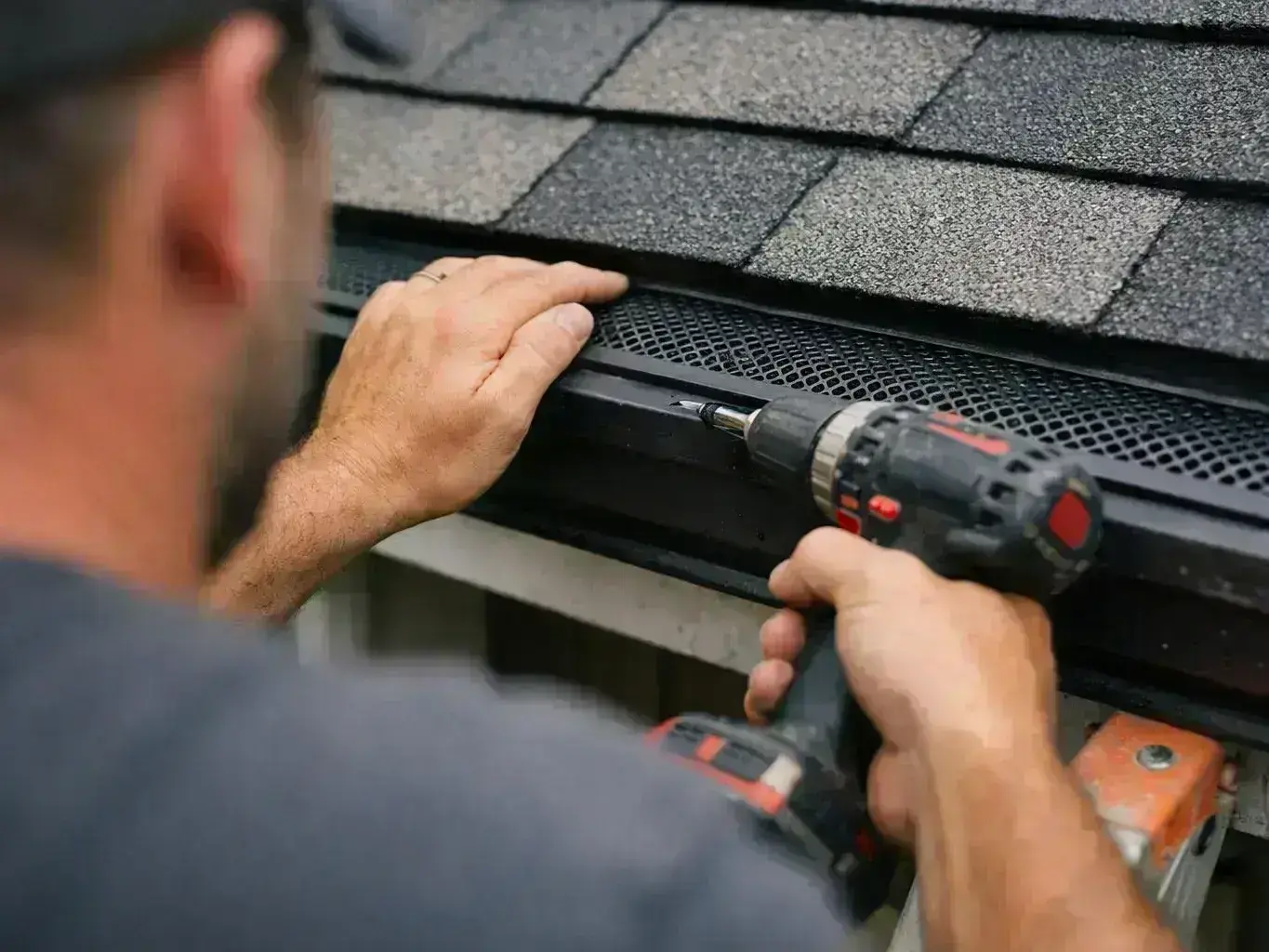
Storm preparedness is a key consideration in the installation workflow. Gutters must be designed to tackle the heavy rainfall that is common in Arkansas, especially during the spring and summer months. Proper installation ensures that water is directed away from the home, reducing the risk of foundation damage and other issues. This is particularly important in areas like Ozark, where the hilly terrain can increase runoff risks.
Roof maintenance is another aspect of the installation process. Gutters work in conjunction with the roof to manage water flow and prevent leaks. A well-installed gutter system helps protect the roof from damage caused by water accumulation. This is especially important in regions like Fayetteville, where frequent thunderstorms can lead to debris buildup and potential damage.
By working with experienced Arkansas contractors, homeowners can ensure that their gutter systems are installed correctly and efficiently. This not only provides long-term protection but also helps maintain the overall health of the home.
Steps Involved in Gutter Installation
The process of gutter installation in Arkansas involves several key steps to ensure a durable and effective system. The first step is measuring, where the length and layout of the gutters are determined based on the home's structure. Accurate measurements are essential to ensure that the gutters fit properly and function as intended. This step is particularly important in areas like Little Rock, where heavy rainfall requires precise installation to prevent water damage.
The next step is installation, where the gutters are attached to the home's eaves. This involves securing the gutters in place using brackets and hangers that are designed to withstand the weight of water and debris. Proper mounting is crucial for maintaining the integrity of the system, especially in regions with frequent storms. In cities like Fayetteville, where thunderstorms are common, a secure installation is vital to prevent damage.
Continuous gutters are another important aspect of the installation process. These gutters are custom-made to fit the home's dimensions, reducing the risk of leaks and improving overall performance. Custom-fitted gutters are particularly beneficial in areas with high rainfall, such as Springfield, where the climate requires a system that can handle both heat and humidity. The installation of custom-fitted gutters is a key step in creating a long-lasting and effective gutter system.
Finally, the installation must adhere to Arkansas standards, ensuring that the system meets local building codes and regulations. These standards are in place to guarantee that gutters are installed correctly and can withstand the state's unique weather conditions. By following these guidelines, homeowners can ensure their gutters are built to last and provide reliable storm protection.
Arkansas standards for Gutters
Arkansas building codes for gutters are created to guarantee that all works meet area guidelines and offer efficient precipitation adherence. These codes are vital for property owners and builders, as they outline the basic standards for gutter installations in the state. Grasping these rules is crucial for anyone involved in gutter installation, as failure to comply can result in construction issues and likely security threats.
Area codes in Arkansas differ by city, but they typically demand gutters to be set up in a method that avoids precipitation from harming the residence's foundation. These standards also define the materials that can be applied, confirming that they are resilient enough to resist the area's climate. For example, in locations like Little Rock, where heavy spring downpours is common, the standards may highlight the need for components that can deal with significant precipitation movement.
Precipitation conformity is another essential aspect of Arkansas building codes. These standards confirm that gutters are developed to deal with the area's variable conditions, including heavy precipitation and sudden tempests. By complying these rules, homeowners can feel assured that their gutter systems are constructed to last and offer reliable protection against weather damage.
Building criteria also have a part in gutter installation, as they determine the correct ways for mounting and fastening gutters. These criteria help confirm that the unit is set up accurately and functions as planned. In cities like Fayetteville, where storms are frequent, adherence to these guidelines is important for keeping the structure of the residence's outside.
By adhering Arkansas regulations, homeowners and builders can guarantee that their gutter units meet the essential requirements for weather conformity and building guidelines. This not only safeguards the home from moisture damage but also supports preserve the general importance and security of the real estate.
Upholding Gutters in Arkansas
Regular upkeep is crucial for keeping gutters in good condition, particularly in Arkansas where the climate can be challenging. The state's heavy rainfall and high humidity can lead to debris buildup, which can clog gutters and reduce their effectiveness. Proper servicing helps prevent water damage and makes sure that the gutter installation continues to function as intended.
One of the key aspects of gutter servicing is cleaning frequency. In Arkansas, where rainfall is common, gutters should be cleaned at least twice a year to remove leaves, twigs, and other debris. This is notably important in areas like Little Rock, where springtime storms can lead to major debris accumulation. Routine cleaning supports prevent blockages that can cause water to overflow and damage the home's foundation.
Storm damage prevention is another essential part of gutter upkeep. After a severe storm, it's essential to inspect gutters for any signs of damage, such as sagging or leaks. In cities like Fayetteville, where thunderstorms are frequent, homeowners should check their gutters regularly to ensure they are in good condition. Addressing issues early can prevent more extensive damage and reduce the need for costly repairs.
Roof health is closely tied to the condition of the gutter system. When gutters are clogged or damaged, water can back up and cause leaks, leading to potential roof damage. By maintaining gutters properly, homeowners can protect their roofs and extend their lifespan. This is especially important in regions like Ozark, where the hilly terrain can increase runoff risks.
By following a regular maintenance schedule and addressing any issues promptly, homeowners in Arkansas can ensure their gutters remain effective and protect their homes from storm damage. This proactive approach not only saves money in the long run but also helps maintain the overall integrity of the property.
How Commonly Should Gutters Be Cleaned in Arkansas?
In Arkansas, the frequency of gutter cleaning depends on several factors, including regional weather conditions and the amount of debris that accumulates. The state's heavy rainfall and high humidity can lead to more regular buildup, making regular cleaning crucial. Homeowners should aim to clean their gutters at least twice a year, ideally in the spring and fall, to make sure they remain free of debris.
Arkansas weather plays a major role in determining how frequently gutters require to be cleaned. In areas like Little Rock, where springtime storms are frequent, gutters may call for more common attention to avoid clogs. Similarly, in Fayetteville, where thunderstorms are frequent, residents should be prepared to clean their gutters more commonly to uphold optimal efficiency.
Debris buildup is another key consideration. Leaves, twigs, and other materials can promptly accumulate in gutters, especially after a storm. In regions like Ozark, where the terrain can increase runoff, the risk of debris buildup is higher. Regular cleaning helps prevent these issues and ensures that water flows properly away from the home.
Storm readiness is also a factor in gutter maintenance. After a severe storm, it's important to inspect gutters for any damage or blockages. In cities like Springfield, where the climate can be both hot and humid, homeowners should be vigilant about cleaning their gutters to prevent water damage. By staying on top of maintenance, residents can protect their homes and avoid costly repairs.
By understanding the local weather patterns and taking proactive steps to maintain their gutters, homeowners in Arkansas can ensure their systems remain effective and protect their homes from storm damage.
FAQ
What are the most common types of gutters used in Arkansas?
In Arkansas, the most common types of gutters include vinyl gutters. Plastic gutters are popular for their affordability and ease of installation, while aluminium gutters offer a balance of durability and cost-effectiveness. Iron gutters are less common but can be a good option for areas with heavy rainfall and high humidity. For dependable Gutter Installation in Arkansas in Arkansas, AGM Gutters provides experienced guidance and practical solutions.
How do climate conditions in Arkansas affect gutter installation?
The climate in Arkansas, characterized by high humidity and frequent rainfall, plays a significant role in gutter. Homeowners must choose materials and designs that can withstand these conditions. For example, in areas like Little Rock, where springtime storms are common, the installation must account for heavy water flow and potential debris buildup.
What materials are best suited for Arkansas weather?
Materials that are resistant to corrosion and durable are best suited for Arkansas weather. Aluminium gutters are a popular choice due to their resistance to rust and ability to handle the state's humidity. Metal gutters are also an option for those seeking a more robust solution, though they may require more maintenance in high-humidity areas.
What is the typical cost of gutter installation in Arkansas?
The cost of gutter installation in Arkansas varies depending on the materials used and the size of the home. Vinyl gutters are generally the most affordable, while aluminium and metal gutters can be more expensive. Homeowners should also consider the cost of qualified setup, which can vary based on the complexity of the project and the contractor's rates.
How often should gutters be cleaned in Arkansas?
In Arkansas, gutters should be cleaned at least two a year to prevent debris buildup and ensure proper water flow. Areas with heavy rainfall, such as Little Rock, may require more frequent cleaning. Frequent maintenance helps prevent clogs and reduces the risk of water damage to the home's foundation and roof.